Power, Waste Heat and Security
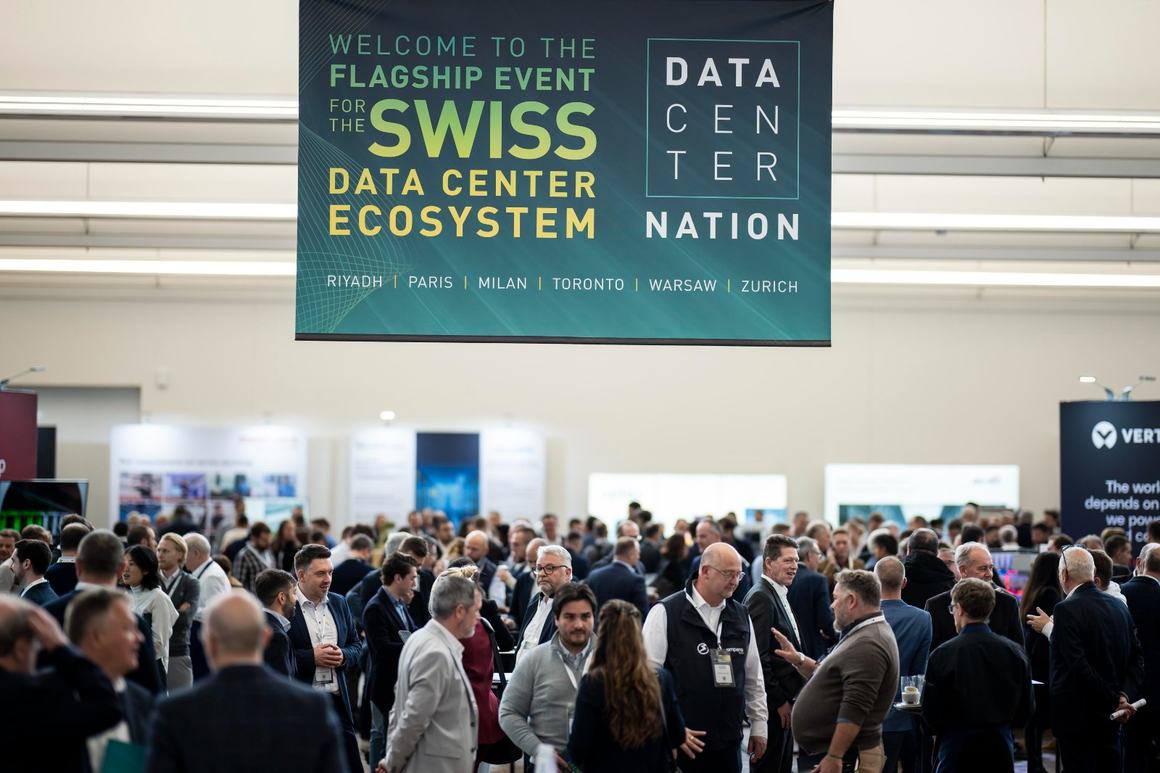
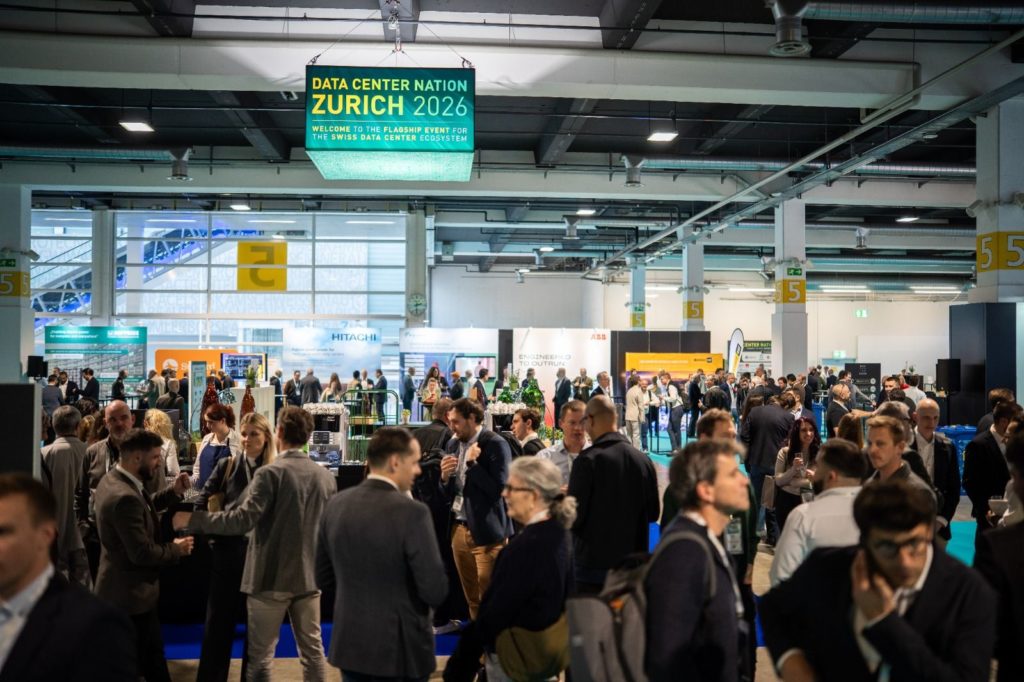
On November 25, 2026, Switzerland’s data center industry came together at Data Center Nation at Messe Zürich. We were there with our own booth and hosted two panels on questions that are top of mind for us right now: Where will the power come from and where should the heat go? And how can Switzerland protect its data centers from protest and sabotage?
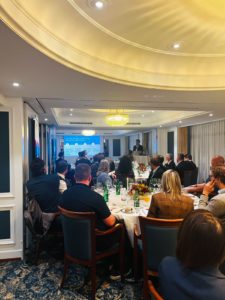
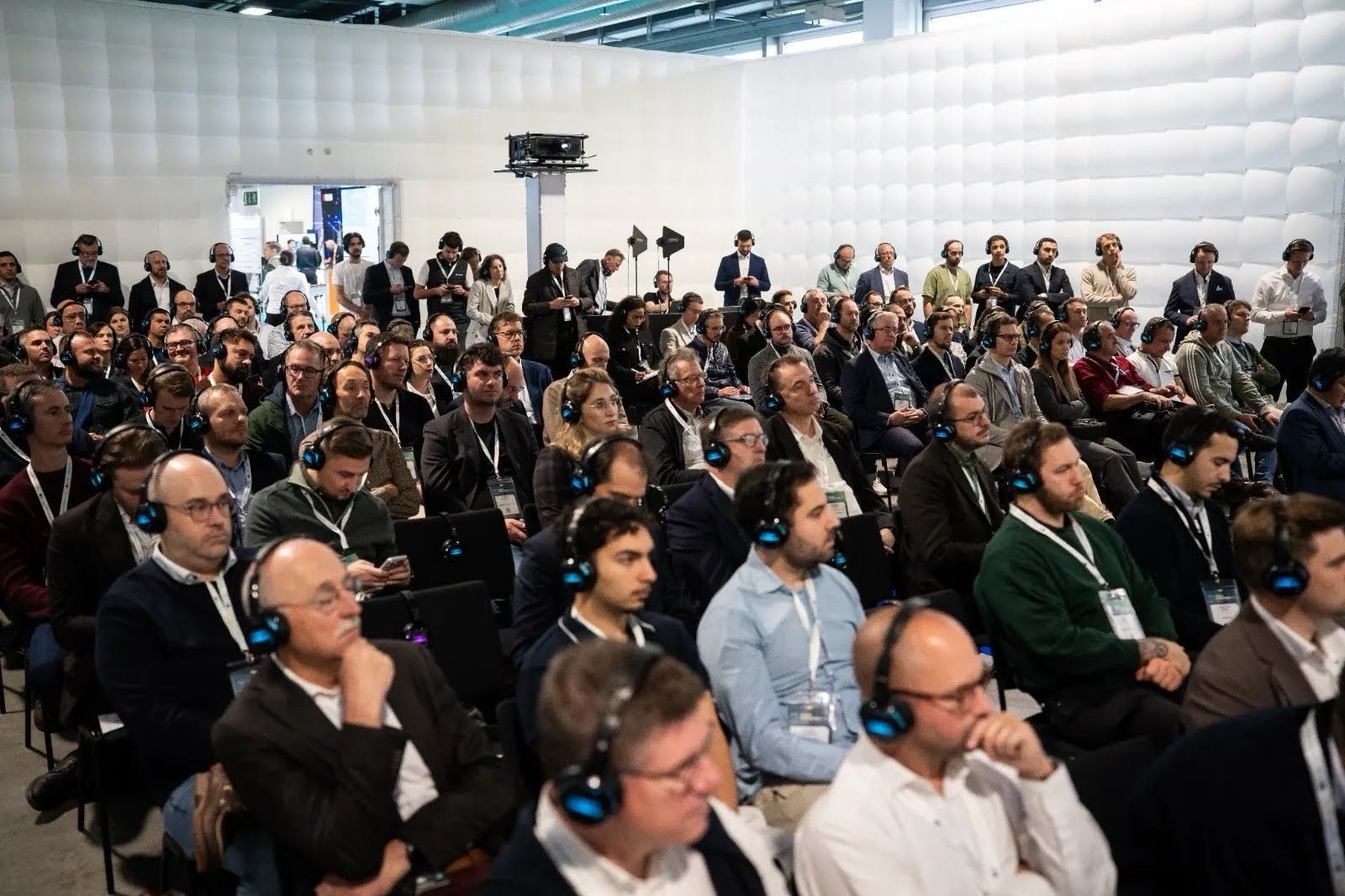
A packed room to kick things off
In the morning, Matt Welch of Data Center Nation and our President Roger Süess opened the conference. In his welcome speech, Roger Süess showed how important data centers are for a digital Switzerland and how much still lies ahead. Then it was straight into the first discussion.
Power and waste heat: It’s all about predictability
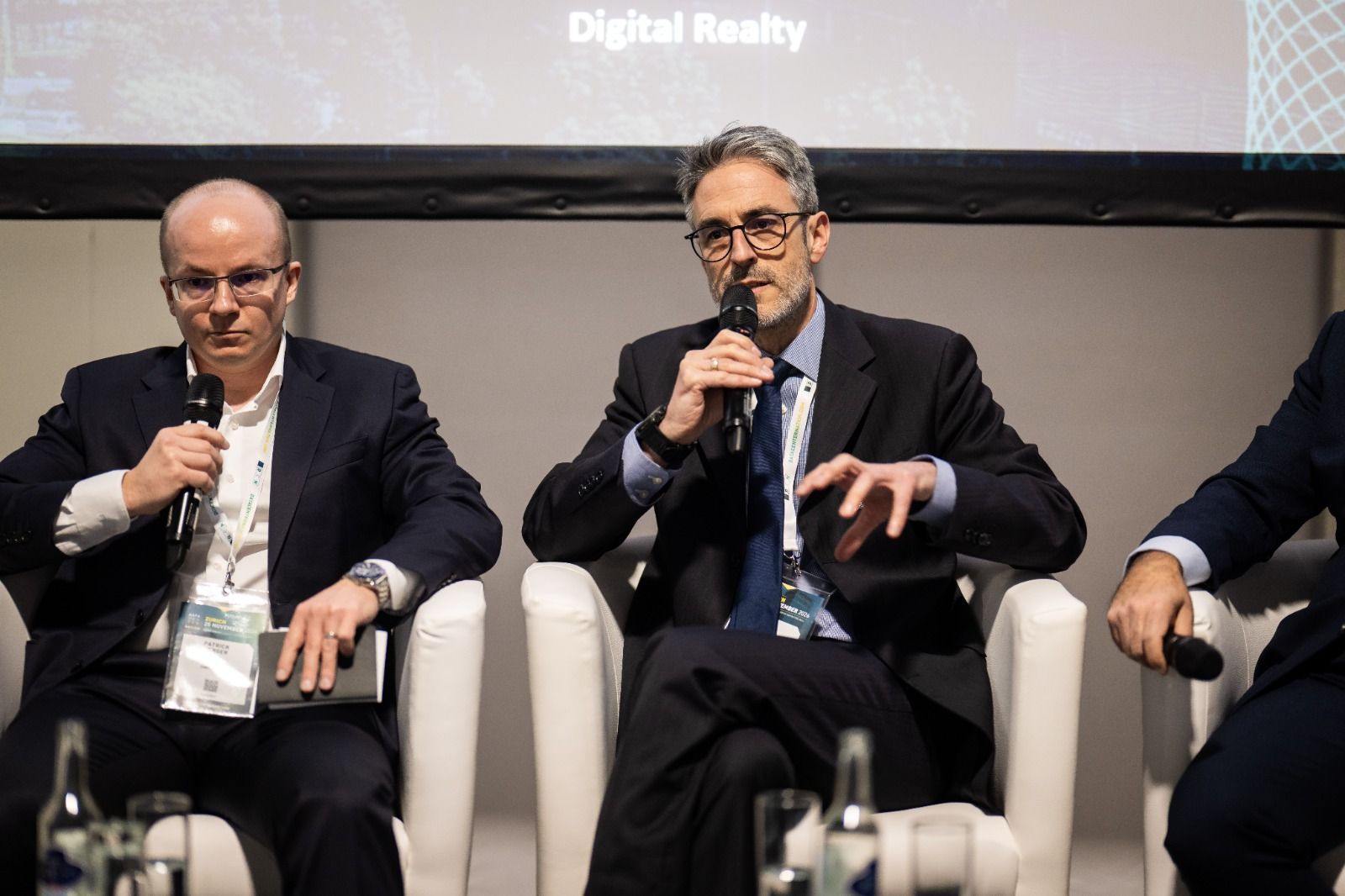
What will shape the next decade of power and waste heat? Roger Süess discussed this with Thomas Diamantidis (STACK Infrastructure), Urs Meister (ElCom), Benjamin Megerle (Energie 360°) and National Councilors Dominik Blunschy (The Centre) and Martin Bäumle (Green Liberals).
Right from the start, Thomas Diamantidis made clear how he sees data centers: as critical infrastructure and a long-term investment in a digital Switzerland. In his view, they belong in the energy system and are part of the solution, not the problem. Urs Meister pointed out that rising electricity demand puts pressure on security of supply and that data centers play a role in that. Dominik Blunschy raised the issue of competitiveness. After all, it’s not just data centers that need energy, but also the rest of the economy and research. For him, it’s important that capacity stays in Switzerland.
Martin Bäumle sees more opportunities than risks, especially when it comes to winter power. Data centers have powerful backup generators that can feed electricity into the grid during a shortage through the federal electricity reserve. He is also counting on IT efficiency, which has been improving for years – and will hopefully keep improving, thanks in part to AI.
On waste heat, the discussion got concrete. For Benjamin Megerle, data centers are among the best heat sources there are. For that heat to actually be used, you need customers nearby and sites that are planned together. Volketswil shows that this can work. Roger Süess emphasized that this energy already exists and simply needs to be used. Benjamin Megerle believes the right time to identify these sites is now.
The panel closed with the question of what Switzerland needs most. The answer was predictability. Thomas Diamantidis and Urs Meister want more transparency among everyone involved. Dominik Blunschy proposed a shared planning standard for new data centers. The bottom line: The better operators, utilities and municipalities coordinate, the less the government has to regulate. Water also came up briefly, but that topic deserves a panel of its own.
Security: No one can do it alone
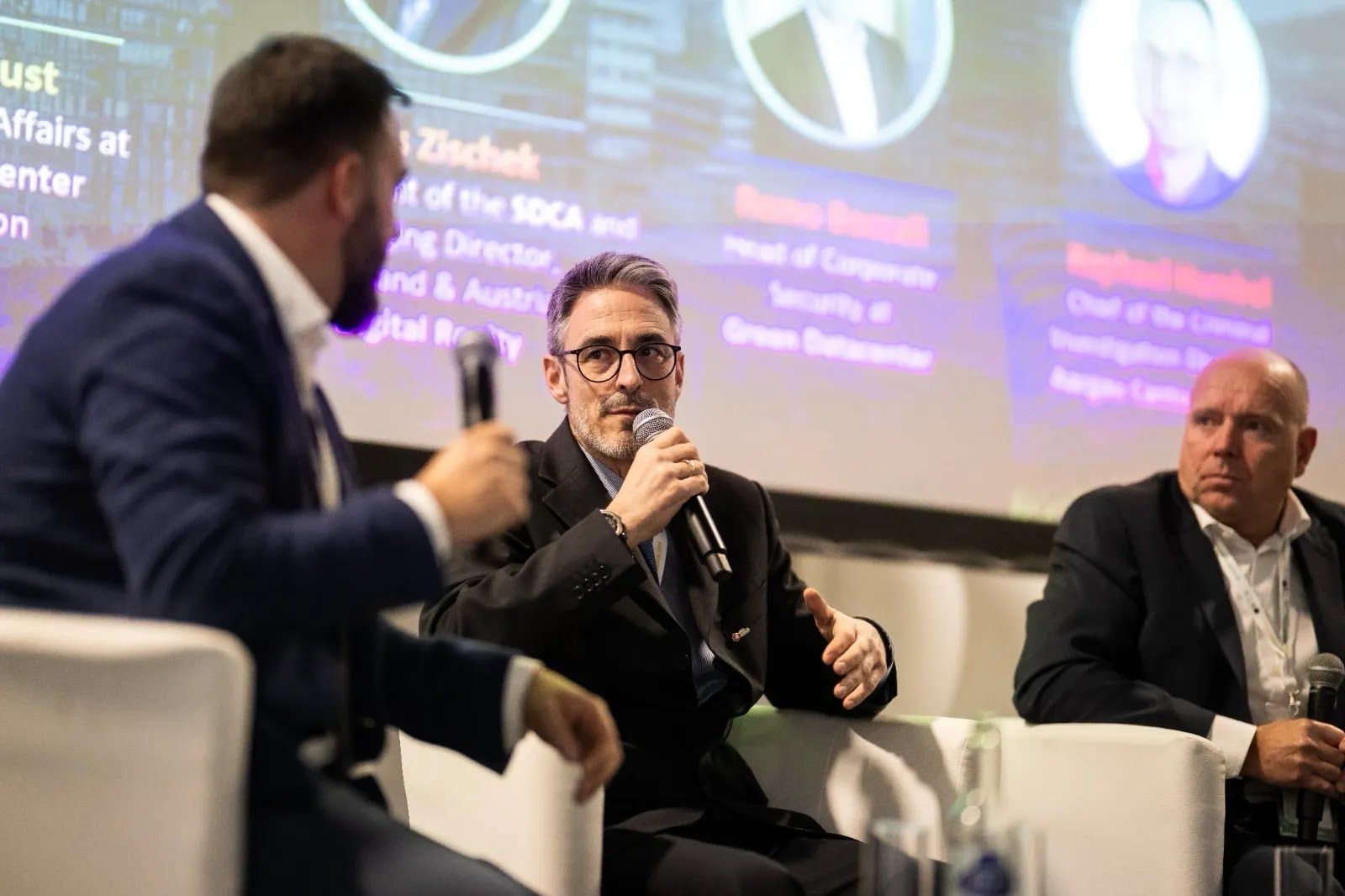
In the second panel, Martin Zust, our Head of Public Affairs, talked with Yves Zischek (SDCA Vice President, Digital Realty), Remo Boccali (Green Datacenter) and Raphael Humbel (Aargau Cantonal Police) about how Switzerland can protect its digital infrastructure from protest and sabotage.
Martin Zust got right to the point and asked whether the industry is ready. You’re never fully ready, Yves Zischek said. But if you know the risks, train regularly and have the right partners on board, you’ll respond faster when it counts. For him, that also means exchanging experience with others in Switzerland and abroad. Remo Boccali described a joint exercise with the Aargau Cantonal Police. It showed that simply reacting once something happens isn’t enough.
Drones sparked the most discussion. Operators can detect them, but they aren’t allowed to take them down. That’s up to the authorities, which are organized by canton, while a drone can cross several cantons in minutes. That’s why Raphael Humbel believes we need to think in larger regions. Who is responsible for the airspace is currently being reconsidered anyway. He expects drones to be the big issue over the next two years. His top priority is to clearly define who is responsible for what and how cooperation will work in practice.
Cybersecurity was also on the agenda. Here, responsibility lies with the operator. However, the cantons have coordination offices where information is shared and companies can learn from each other. Are we cyber resilient as a society? Not really, said Remo Boccali, at most in certain areas. Risk can never be eliminated entirely, since it also has to make economic sense. As he put it with a wink: The trick is making sure the residual risk doesn’t finish you off.
To wrap up, the panel looked ahead. Remo Boccali sees AI as an opportunity, for example for faster situational assessments. At the same time, he reminded the audience that fences and security doors remain important. Yves Zischek also sees robotics as part of the future. He hopes Switzerland will rethink how it approaches threats.
Thank you, Data Center Nation
A big thank-you goes to the Data Center Nation team. You put together a day that brought the whole industry together for open discussions. We’d also like to thank all panelists for their candid perspectives and everyone who stopped by our booth 12. We had many great conversations and are taking a lot away from them.
The questions around power, waste heat and security don’t end here. We’ll keep at it and look forward to continuing the conversation with you.